Can a nighttime habit support eye health after age 60?
Tired of waking up with eyes that feel strained, dry, or just a little less sharp than they used to be? For many adults over 50, especially those who spend hours on screens or notice gradual changes in clarity, this morning fog can be frustrating and impact everything from reading the news to enjoying hobbies. Daily life adds up—blue light exposure, natural aging, and less-than-perfect sleep habits all play a role in leaving eyes feeling tired. But lately, a simple bedtime habit has been going viral on social media: taking a small spoonful of cocoa powder before sleep as part of an eye wellness routine. Keep reading, because the real story behind this trend—and what the research actually shows—might surprise you.

Why Your Eyes Deserve Extra Support While You Sleep
Your eyes don’t just rest when you close them at night—they go through important repair and recovery processes. During deep sleep, blood flow improves, tears replenish, and tissues get a chance to reset after a full day of work. Yet modern lifestyles often interrupt that natural recovery. That’s where nutrition comes in. Certain plant compounds may help support healthy blood flow and antioxidant protection, which are key for overall eye comfort and function.
Here’s what makes this interesting: people are now linking one specific kitchen staple to that overnight window of opportunity. The trending habit? A spoonful of unsweetened cocoa powder stirred into warm water, milk, or enjoyed on its own right before bed. But does the science back it up? Let’s break it down without hype.
The Viral Trend Taking Over Social Media
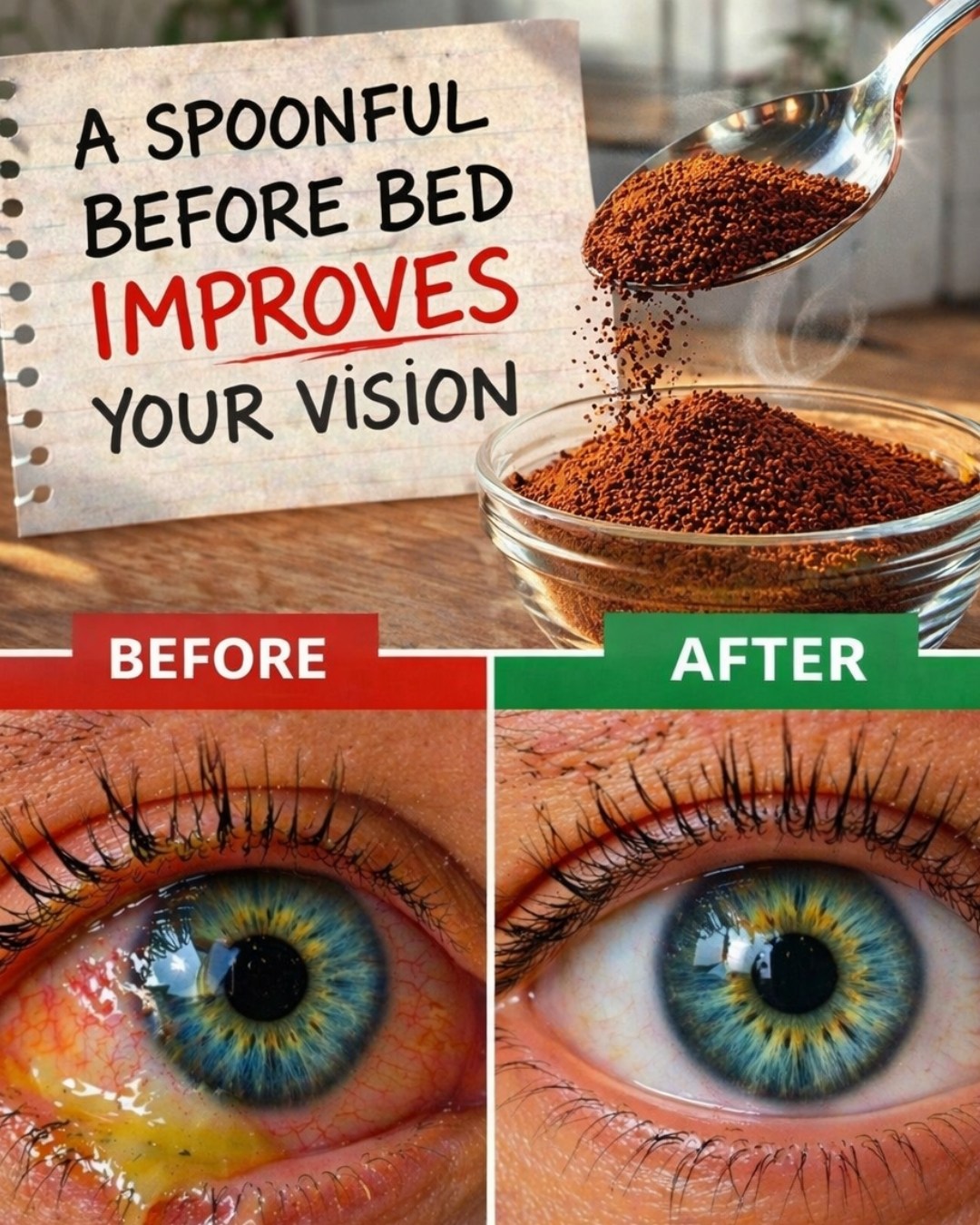
You’ve probably seen the eye-catching posts—spoonfuls of rich brown powder pouring into a glass bowl, paired with dramatic “before and after” eye photos. The Spanish-language versions often target adults over 60, promising they’ll “wake up with sharper vision.” The powder in question? Pure cocoa or cacao powder, rich in natural compounds called flavanols.
But here’s the part you won’t want to miss: while the claims in viral videos can sound dramatic, legitimate research has looked at cocoa flavanols and their short-term effects on visual function. Studies published in journals like Journal of Functional Foods found that consuming a small amount of pure natural cocoa powder (around 2.5 grams) was linked to measurable improvements in daytime visual acuity in healthy young adults under normal lighting. Researchers pointed to the flavanols and theobromine in cocoa as possible contributors, potentially supporting better blood flow and visual processing.
Another study highlighted in JAMA Ophthalmology explored dark chocolate (high in cacao) and noted short-term benefits for contrast sensitivity and visual acuity about two hours after consumption. The mechanism? Flavanols may help relax blood vessels and deliver more oxygen and nutrients to the highly vascular retina.
Of course, results vary by individual, and not every study replicates the exact same outcomes. Some follow-up research found no difference between dark and milk chocolate for certain measures. Still, the overall body of evidence on cocoa flavanols continues to grow, showing potential support for circulation that could indirectly benefit eye health.
Key Nutrients in Cocoa Powder That May Play a Role

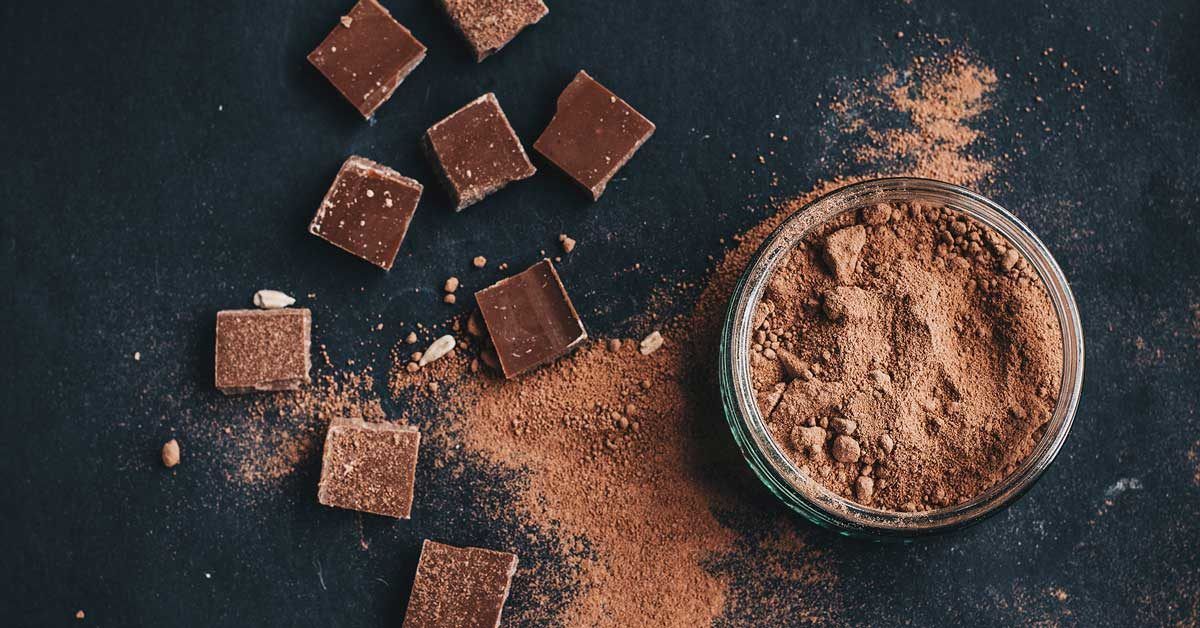
Cocoa powder—especially the unsweetened, minimally processed kind—isn’t just for baking. Here’s why it stands out:
- Flavanols: Powerful plant antioxidants that may promote healthy blood vessel function and circulation, including to the eyes.
- Theobromine: A gentle stimulant similar to caffeine but milder, potentially aiding focus and visual processing without keeping you awake.
- Magnesium and polyphenols: These support overall cellular health and may help reduce oxidative stress, a factor in age-related eye changes.
- Low sugar and calories: When you choose pure cocoa, you avoid the added sugars found in chocolate bars.
Quick comparison of cocoa options for eye wellness routines:
| Type of Cocoa | Flavanol Content | Best For Bedtime? | Notes |
|---|---|---|---|
| Raw cacao powder | Highest | Yes | Least processed, slightly bitter |
| Unsweetened cocoa powder | High | Yes | Widely available, affordable |
| Dutch-processed cocoa | Lower | Maybe | Alkalized—milder taste but fewer flavanols |
| Dark chocolate bar (70%+) | Moderate | Occasional | Contains more fat and sugar |
How to Try This Simple Nighttime Routine Safely
Ready to explore this habit yourself? Here’s a straightforward, step-by-step guide that fits easily into your evening wind-down:

Nail Lines: What They Can Reveal About Your Health

My husband left me after 39 years of marriage. Three weeks later, his new wife told me something that took my breath away.

15 children disappeared on a field trip in 1986: 39 years later, the school bus is found buried.

My husband cheated. I packed my kids and drove to my parents’ house. My father opened the door, looked at my three children standing behind me, and slowly closed it. My brother said no space. My sister called me impulsive. I picked up that garbage bag, walked back to my car, and I whispered 3 words..

The boy who used to polish coffins became James Bond and found love.